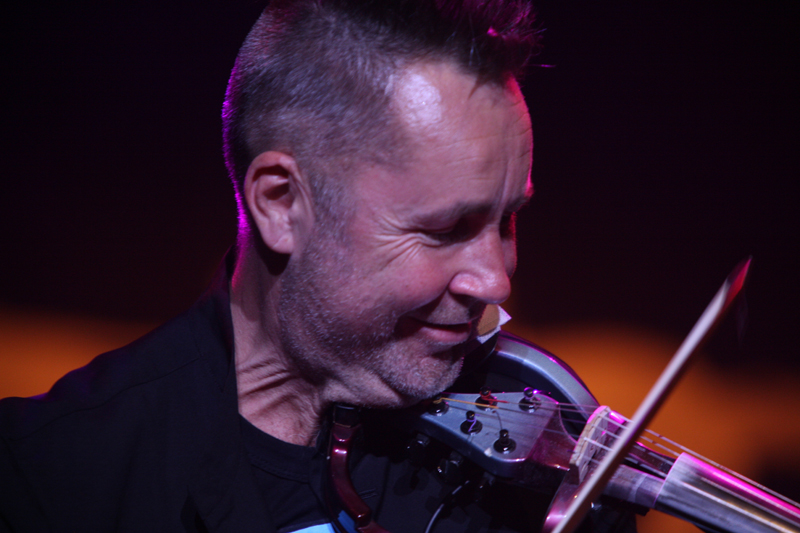
How Nigel Kennedy Earned $5 Million: Vivaldi and BRIT Awards Success
Nigel Kennedy, the enigmatic British violinist and violist, stands as a testament to the power of artistic talent, audacious innovation, and strategic career choices within the classical music world and beyond. With a reported nigel kennedy net worth of $5 million, his journey from child prodigy to global superstar is a captivating narrative woven with electrifying performances, genre-defying experiments, and monumental commercial triumphs. While many classical musicians achieve critical acclaim, Kennedy uniquely transformed it into significant financial success, largely spearheaded by his iconic recording of Vivaldi's The Four Seasons and his groundbreaking recognition at the BRIT Awards.
This article delves into the various facets of Kennedy's illustrious career, dissecting the key moments and decisions that contributed to his impressive fortune. We'll explore his extraordinary musical lineage, his early training, the seismic impact of his Vivaldi album, and how his distinctive persona and accolades like the BRIT Awards solidified his place not just as a virtuoso, but as a genuine musical phenomenon with a substantial financial legacy.
From Prodigy to Virtuoso: The Formative Years and Early Foundations
Born in Brighton, England, in December 1956, Nigel Kennedy's path to musical greatness seemed almost preordained. He inherited a rich musical pedigree; his grandfather, Lauri Kennedy, served as the principal cellist for the esteemed BBC Symphony Orchestra, and his father, John Kennedy, was also a cellist. This familial immersion in classical music provided a potent environment for young Nigel, who displayed prodigious talent from a very early age.
Recognizing his exceptional gifts, Kennedy was accepted into the prestigious Yehudi Menuhin School of Music at the tender age of seven. This institution, founded by the legendary violinist Yehudi Menuhin himself, provided an intense and focused training ground for future musical stars. Such an early start in an elite environment meant Kennedy honed his craft under the tutelage of the best, developing a formidable technical command and deep musical understanding that would become his hallmark.
His education continued across the Atlantic at the renowned Juilliard School in New York, where he studied under the highly influential Dorothy DeLay. DeLay was known for her ability to nurture talent and her pragmatic approach to preparing students for a professional career. This dual exposure to the rigorous European classical tradition and the American performance-oriented approach equipped Kennedy with a unique blend of artistry and stage presence. By the age of 16, he had already made his auspicious debut at New York's Carnegie Hall, a monumental achievement that signaled his arrival on the world stage and laid the groundwork for his future financial success. These foundational years were not just about mastering an instrument; they were about building the credibility, skill, and connections essential for a lucrative career in music.
The Vivaldi Phenomenon: A Classical Crossover Masterpiece
While his early career saw him establish himself as a respected classical violinist, it was his 1989 recording of Antonio Vivaldi's The Four Seasons that catapulted Nigel Kennedy into the stratosphere of global music stardom and profoundly impacted his nigel kennedy net worth. Collaborating with the English Chamber Orchestra, Kennedy delivered an interpretation that was both technically brilliant and emotionally charged, breathing new life into a baroque masterpiece often considered overplayed.
The album's commercial performance was nothing short of phenomenal. It sold more than two million copies worldwide, an extraordinary feat for a classical recording. To put this into perspective, for an artist, even a modest royalty rate of $1-2 per album sold could translate into millions in earnings from this single release alone. Beyond unit sales, the album's sustained popularity was remarkable; it topped the UK classical music charts for over a year, demonstrating its broad appeal and enduring resonance with audiences. This kind of chart dominance for a classical album was unprecedented and paved the way for the "classical crossover" genre that would flourish in subsequent decades.
Kennedy's success with The Four Seasons wasn't just about impeccable playing; it was also about his distinctive approach. He infused Vivaldi with a punk-rock attitude, making classical music accessible and exciting to a younger, more diverse audience who might typically shy away from the genre. This mass appeal significantly broadened his fan base, leading to sold-out concert tours, increased media exposure, and enhanced earning potential from future recordings and performances. The album became a cultural touchstone, transforming Kennedy from a classical prodigy into a household name and a significant income generator for himself and his record label. It proved that classical music, when presented with innovation and flair, could compete in the mainstream market.
Beyond the Bow: BRIT Awards, Genre-Bending, and Lasting Influence
Nigel Kennedy's financial success wasn't solely built on one monumental album; it was solidified by a career marked by relentless innovation, a unique public persona, and significant industry recognition. His ability to transcend classical boundaries and embrace other genres, including jazz and klezmer, demonstrated an artistic versatility that kept his career fresh and appealing to a wider audience, thereby diversifying his income streams beyond traditional classical concerts.
His distinctive image – often sporting spiky hair, wearing untucked shirts, and speaking with a strong Black Country accent – challenged the staid stereotypes of classical musicians. This rebellious streak, far from alienating audiences, actually endeared him to many, making him an iconoclast who brought classical music to the masses on his own terms. This strong personal brand was invaluable for marketing and maintaining relevance in an ever-evolving music industry.
The music industry also recognized his immense impact through prestigious awards. In 1997, Kennedy received the highly coveted Award for Outstanding Contribution to British Music at the BRIT Awards. This honor is typically bestowed upon pop and rock legends, making Kennedy's win a powerful statement about his crossover appeal and his influence on the broader British music scene. It legitimized his blend of classical virtuosity with popular sensibility. Just four years later, in 2001, he further cemented his status by winning Male Artist of the Year at the BRIT Awards, an astonishing achievement for a classical musician competing against mainstream pop and rock stars. These awards not only brought immense prestige but also translated into increased record sales, higher concert fees, and lucrative endorsement opportunities, directly contributing to his growing Nigel Kennedy Net Worth: Unpacking the $5M Violinist's Fortune.
Furthermore, his outspoken political views, particularly his socialist stance, added another layer to his public persona. While sometimes controversial, this authenticity resonated with many, preventing him from being just another faceless virtuoso. His willingness to engage with the world beyond the concert hall only amplified his unique appeal.
The Financial Score: Deconstructing Nigel Kennedy's $5 Million Fortune
Building a $5 million fortune as a classical musician requires a combination of extraordinary talent, savvy business decisions, and sustained global appeal. Nigel Kennedy's net worth is a culmination of various revenue streams that he skillfully cultivated throughout his decades-long career. Here's how he likely amassed his wealth:
- Album Sales and Royalties: The colossal success of The Four Seasons was undoubtedly the largest single contributor. With over 2 million copies sold, and potentially many more through subsequent re-releases and digital streams, the royalties alone would account for a significant portion. His extensive discography, featuring numerous other successful classical and jazz recordings, continued to generate income over the years.
- Concert Tours and Performances: As a world-renowned violinist, Kennedy commands substantial performance fees. His tours take him to prestigious concert halls globally, and each appearance contributes to his earnings. The unique demand for his live performances, often characterized by his dynamic stage presence, allows him to negotiate top-tier fees.
- Endorsements and Sponsorships: High-profile artists often secure endorsements from instrument makers, luxury brands, or cultural institutions. While specific details for Kennedy aren't always public, his widespread recognition and distinctive image would make him an attractive partner for various commercial ventures.
- Media Appearances and Royalties: Kennedy has made numerous television and radio appearances, both for his music and his commentary. These can come with appearance fees and also serve as powerful promotional tools, driving album sales and concert attendance. Additionally, royalties from the use of his recorded music in film, television, or advertisements can add to his income.
- Publishing and Arrangement Rights: While primarily an interpreter, any original compositions or unique arrangements he has published would generate further royalties.
- Longevity and Consistent Output: Unlike many artists who fade after a single hit, Kennedy has maintained a prolific recording and touring schedule for decades. This consistent presence in the music world ensures a steady stream of income and reinforces his brand, allowing him to adapt and continue earning well into his later career.
Practical insight for aspiring artists seeking to emulate such success reveals the importance of diversification. Relying solely on one income stream, even album sales, can be precarious. Kennedy's ventures into different genres, his compelling live performances, and his willingness to cultivate a unique public identity all contributed to a robust financial ecosystem that supported his long-term wealth. For more details on the financial breakdown of his fortune, you might be interested in reading From Prodigy to $5M: Nigel Kennedy's Musical Journey and Wealth.
Conclusion
Nigel Kennedy's $5 million net worth is a vibrant testament to a career that masterfully blended classical virtuosity with a rebellious spirit and astute commercial instincts. From his early days as a child prodigy at the Yehudi Menuhin School and Juilliard, his rigorous training laid the groundwork for technical brilliance. However, it was his audacious and electrifying interpretation of Vivaldi's The Four Seasons that not only broke sales records for a classical album but also shattered perceptions of what classical music could be. His subsequent recognition at the BRIT Awards, first for Outstanding Contribution and then as Male Artist of the Year, solidified his status as a mainstream icon, a rare feat for any classical musician.
Kennedy's journey demonstrates that true success, both artistic and financial, often lies in authenticity and a willingness to challenge conventions. By embracing genre-bending, cultivating a distinctive persona, and consistently delivering high-quality performances, he built a multifaceted career that sustained him for decades, ensuring his legacy as one of the most compelling and financially successful musicians of his generation.
